Skip to content
  • Our Difference
    • Who We Are
    • Our Network
    • The First 90 Days®
  • Challenges
    • Accelerating Transitions
    • Closing Skill Gaps
    • Organizational Transformation
    • Enterprise Onboarding
    • Team Dynamics
    • Talent Management
  • Solutions
    • Acceleration Coaching
    • Development Coaching
    • Team Development Accelerator
    • Leadership Development Journeys
    • The First 90 Days Resources
    • First 90 Days Express
    • Assessment
  • Resources
    • News
    • Tools and Resources
Book a Call Today
The First 90 Days  •  Harvard Business Review  •  Team Development

Eight Traps to Avoid When You Take Over a Team

June 2, 2016 Michael Watkins

Leaders taking new roles often inherit teams that they must assess, reshape, align, and accelerate. Frequently, leaders stumble when it comes to building their teams. The result may be a significant delay in achieving key objectives, or outright derailment. These are some of the characteristic traps into which new leaders fall when taking over teams:

1. CRITICIZING THE PREVIOUS LEADERSHIP

There is nothing to be gained by criticizing the people who led the organization before you arrived. This doesn’t mean that you need to condone poor past performance, nor does it mean that you can’t highlight problems. Of course you need to evaluate the impact of previous leadership, but rather than point out others’ mistakes, concentrate on assessing current behavior and results and on making the changes necessary to support improved performance.

2. KEEPING THE EXISTING TEAM TOO LONG

Unless you are in a start-up, you do not get to build a team from scratch; you inherit a team and must mold it into what you need to achieve your priorities. Occasionally, leaders make major changes in their teams too quickly, but it is more common for them to keep people who aren’t performing longer than is wise. Whether because they’re afflicted with hubris (“These people have not performed well in the past because they lacked a leader like me”) or because they shy away from tough personnel calls, leaders end up with less-than-outstanding teams. This means they and the other strong performers must shoulder more of the load.

3. NOT BALANCING STABILITY AND CHANGE

Building a team you’ve inherited is like repairing an airplane in mid-flight. You will not reach your destination if you ignore the necessary repairs, but you do not want to try to change too much too fast and crash the plane. The key is to find the right balance between stability and change. First and foremost, focus only on truly high-priority personnel changes early on.

4. NOT WORKING ON ORGANIZATIONAL ALIGNMENT AND TEAM DEVELOPMENT IN PARALLEL

A ship’s captain cannot make the right choices about his crew without knowing the destination, the route, and the ship. Likewise, you can’t build your team in isolation from changes in strategic direction, structure, processes, and skill bases. Otherwise, you could end up with the right people in the wrong jobs. Your efforts to assess the organization and achieve alignment should go on in parallel with assessment of the team and necessary personnel changes.

5. NOT HOLDING ON TO THE GOOD PEOPLE

One experienced manager shared hard-won lessons about the dangers of losing good people. “When you shake the tree,” she said, “good people can fall out, too.” Her point is that uncertainty about who will and will not be on the team can lead your best people to move elsewhere. Although there are constraints on what you can say about who will stay and who will go, you should look for ways to signal to the top performers that you recognize their capabilities. A little reassurance goes a long way.

6. UNDERTAKING TEAM BUILDING BEFORE THE CORE IS IN PLACE

It is tempting to launch team-building activities right away, but this approach poses a danger; it strengthens bonds in a group, some of whose members may be leaving. So avoid explicit team-building activities until the team you want is largely in place. This does not mean, of course, that you should avoid meeting as a group. Just keep the focus on the business.

7. MAKING IMPLEMENTATION-DEPENDENT DECISIONS TOO EARLY

When successful implementation of key initiatives requires buy-in from your team, you should judiciously defer making decisions until the core members are in place. Of course there will be decisions you cannot afford to delay, but it can be counterproductive to make decisions that commit new people to courses of action they had no part in defining. Carefully weigh the benefits of moving quickly on major initiatives against the lost opportunity of gaining buy-in from the people you will bring on board later.

8. TRYING TO DO IT ALL YOURSELF

Finally, keep in mind that restructuring a team is fraught with potential complications. Do not try to undertake this on your own. Find out who can best advise you and help you chart a strategy. The support of a good HR person or executive coach is indispensable to any effort to restructure a team.

To learn more, read Michael Watkins Harvard Business Review article “Leading the Team You Inherit.”

Follow Michael Watkins on Twitter.


Michael Watkins
Michael Watkins

Michael Watkins has spent the past two decades working with leaders, both corporate and public, as they transition to new roles, negotiate the future of their organizations, and craft their legacy as leaders. A recognized expert in his field, he ranked among Thinkers50’s top fifty management influencers globally in 2019. He is the best-selling author of The First 90 Days, Updated and Expanded: Proven Strategies for Getting Up to Speed Faster and Smarter, the globally acknowledged handbook for leadership and career transitions, which recently earned the accolade of Amazon’s Top 100 Leadership Books. He is Professor of Leadership and Organizational Change at the IMD Business School in Switzerland and previously served on the faculty at INSEAD and Harvard University, where he earned his PhD in Decision Sciences.

Search

Categories

  • The First 90 Days 51
  • Harvard Business Review 23
  • Leadership Development 21
  • Team Development 17
  • Organizational Transformation 13
  • Emotional Intelligence 12
  • Executive Coaching 10
  • Crisis Management 9
  • Genesis Updates 6
  • Master Your Next Move 8
  • Podcasts 7
  • Webinars 5
  • Case Studies in Transition Acceler... 5
  • Strategic Thinking 3
  • Development Coaching 1
  • Uncategorized 15

Recent Posts

  • Why Most Leadership Transitions Fail—and How to Succeed
  • Accelerating Leadership Success with the STARS Model
  • A Collaborative Approach to Leadership Development

Popular Categories

  • The First 90 Days 51
  • Harvard Business Review 23
  • Leadership Development 21
  • Team Development 17
  • Uncategorized 15
  • Organizational Transformation 13

Latest Posts

View All
The First 90 Days  •  Leadership Development  •  Executive Coaching

Why Most Leadership Transitions Fail—and How to Succeed

January 29, 2026 Michael Watkins

Leadership transitions are deceptively hard. On the surface, stepping into a new role often looks like a logical next step—more responsibility, broader scope, greater influence. Organizations assume that because someone has succeeded before, they’ll succeed again. And yet, research and experience consistently show that a significant percentage of leadership transitions underperform or fail outright. Not […]

The First 90 Days  •  Executive Coaching

Accelerating Leadership Success with the STARS Model

January 28, 2025 Genesis

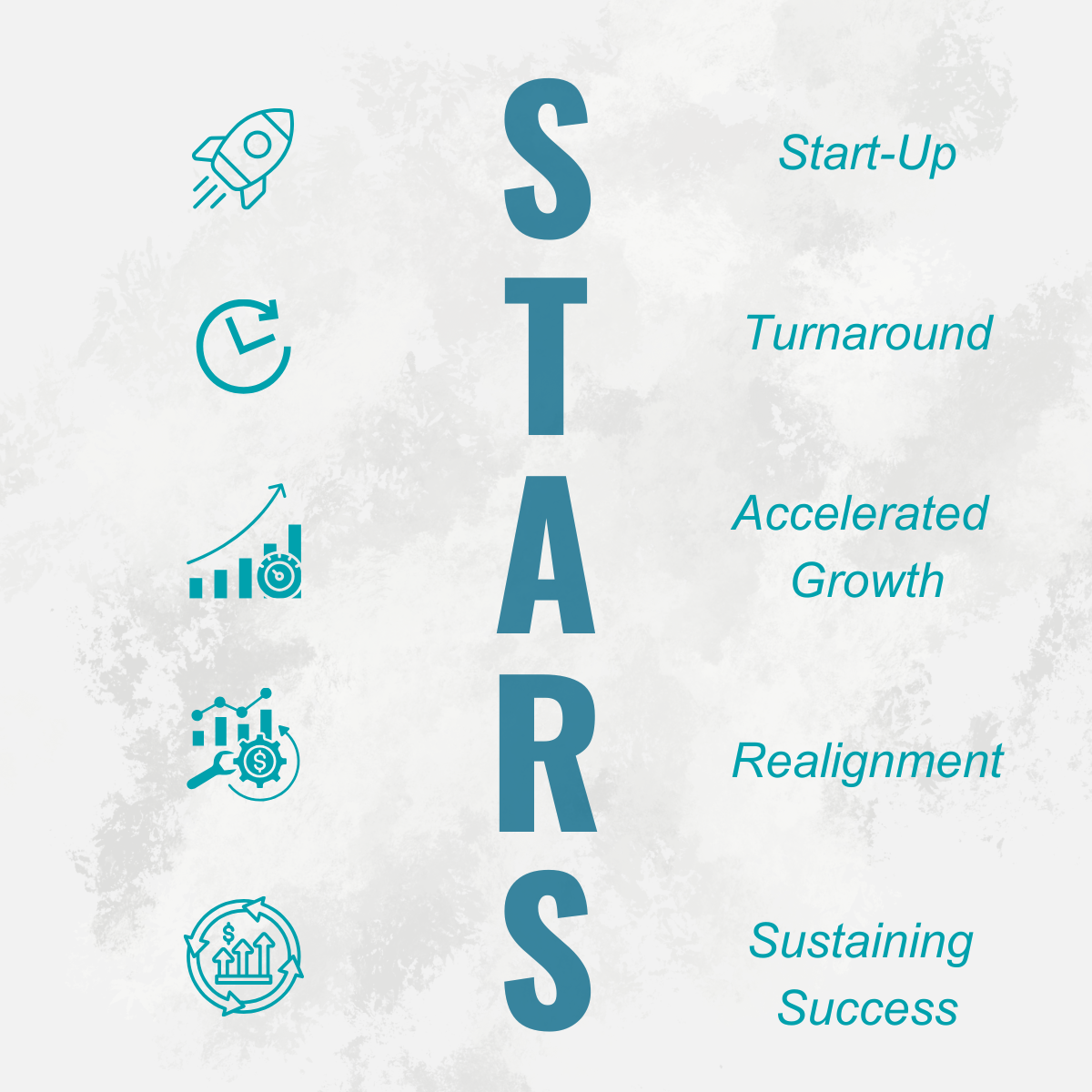
As an HR professional, you understand the critical importance of leadership transitions. Whether an executive is stepping into a new role, navigating a turnaround, or managing accelerated growth, their ability to adapt and succeed during the first few months can set the tone for long-term success—or failure. This is why Genesis Advisers’ Acceleration Coaching program leverages the […]

The First 90 Days

The First 90 Days Transition Roadmap

July 26, 2024 Genesis

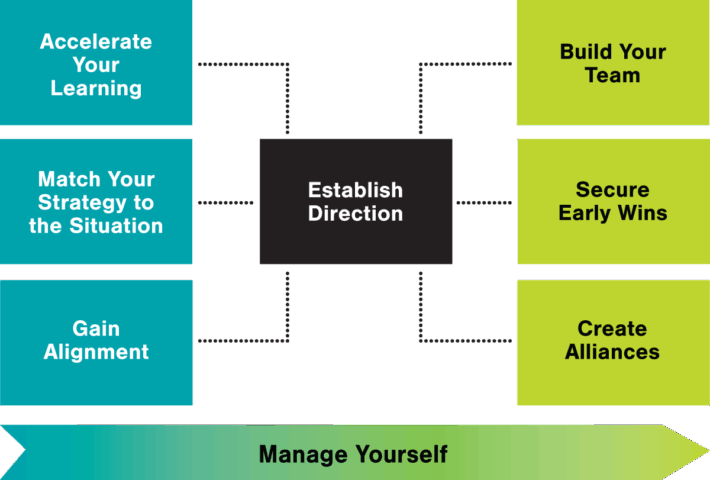
The Transition Roadmap, developed through research by Michael Watkins, author of The First 90 Days, and decades of coaching by Genesis, provides a structured framework to help leaders transition into new roles efficiently. This roadmap encompasses eight core tasks designed to guide leaders in diagnosing, planning, and delivering effectively in their new positions while managing their […]

Get in Touch

Explore how we
can collaborate.

At Genesis, we're committed to helping businesses of all sizes and industries achieve their goals.

Book a Call Today

Name(Required)
Our Difference
  • Who We Are
  • Our Global Network
  • The First 90 Days & Our Approach
Challenges
  • Accelerating Transitions
  • Fixing Skill Gaps
  • Organizational Transformation
  • Enterprise Onboarding
  • Team Dynamics
  • Talent Management
Solutions
  • AC Coaching
  • Development Coaching
  • Team Development Accelerator
  • Leadership Development Journeys
  • First 90 Days Resources
  • First 90 Days Express
  • Assessment
Resources
  • News
  • Tools & Resources

Subscribe to Our Newsletter

Stay updated on leadership insights and development tips.

© 2025 Genesis Advisers. All Rights Reserved. Website Design by Newbird
  • Privacy Policy